
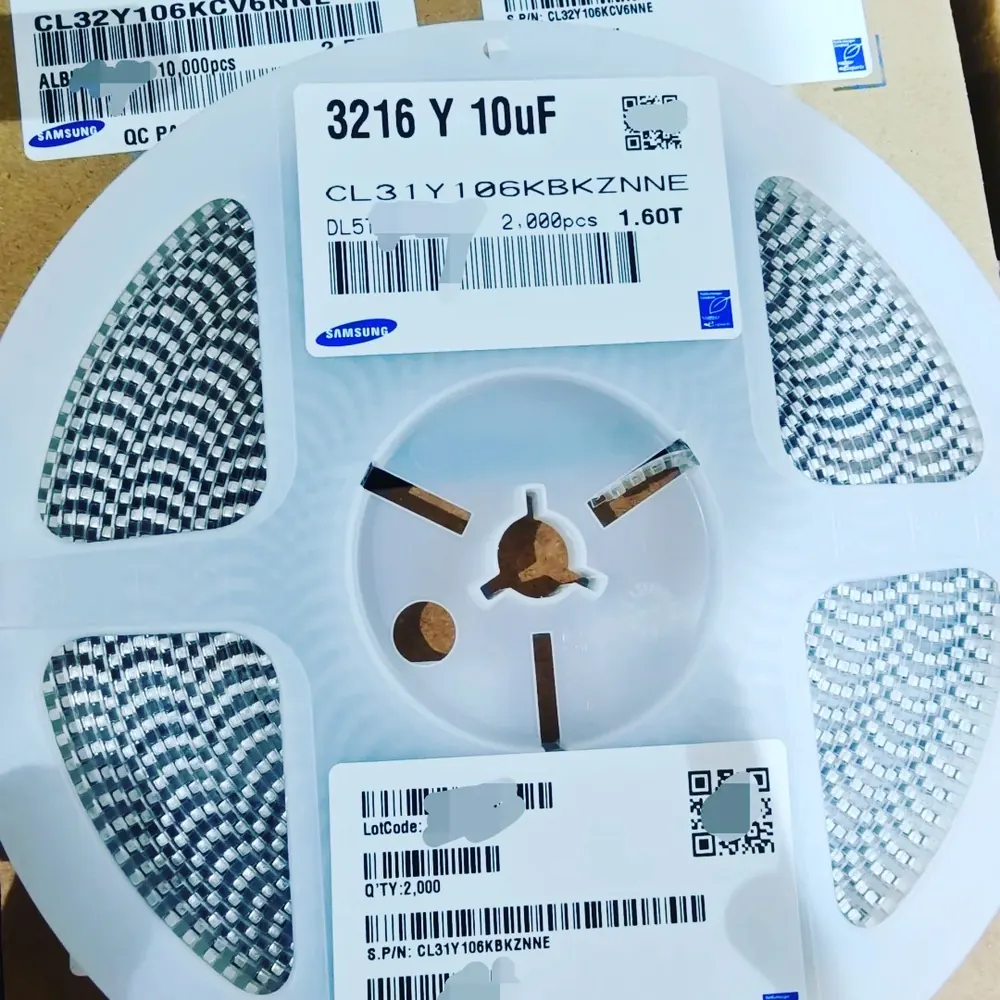
Short answer: Ask for the sourcing channel per BOM line, packaging and lot codes, and inspection records. BELI Technologies sources components through authorized distributors and original manufacturers, keeps full traceability and original packaging through the build, and assembled boards are inspected to IPC-A-610J. Inspection confirms the condition of what arrived; the channel decides whether a counterfeit could arrive at all.
"Full component traceability" and "counterfeit screening" appear on most PCBA supplier websites and mean very different things. Traceability is a records question: can the supplier show which reel, which lot, which distributor and which build run it came through? Screening is an inspection question: what did someone look at before the part went on the line, and what would that look have missed? Ask for the six records below and you get a document trail you can audit — and learn a lot from a supplier who cannot produce one.
The six records to ask for, at a glance
| Record | Why you need it | How to verify it |
|---|---|---|
| 1. Sourcing channel, per BOM line | Provenance is the only defence against a part that looks genuine inside and out | Match each named distributor to the component maker's authorized list |
| 2. Original packaging and labels | The label carries the part number, lot and date code everything else keys on | Ask for label photographs of high-risk lines on your first build |
| 3. Lot codes tied to your build | Turns a recall or field failure into a bounded list of boards | Pick one delivered board and ask which component lots it contains |
| 4. Incoming-inspection record | Shows what was checked, on how much of the lot, and what was rejected | Ask for the discrepancy report from your own kit |
| 5. Process inspection and test results | Proves inspection to a named standard and test to a plan | Ask for AOI, X-ray and test results for one batch |
| 6. Documents shipped with the order | The records your own quality file has to hold | Agree the list at quotation; check the first shipment against it |
1. The sourcing channel, named per BOM line
Why ask. The premise every counterfeit-avoidance framework shares: a part bought from an authorized distributor or the original manufacturer has an unbroken chain of custody from the component fab to your kit. A part bought anywhere else — an independent broker, a marketplace listing, surplus stock — has a gap in that chain that inspection cannot fully close. So the first record is a purchasing record naming the channel for each part.
How to verify. A quotation that says "authorized distributors" in the footer is a policy statement; one that lists the distributor beside each line item is a record. Check the names against the component manufacturer's own "where to buy" page. Then put one rule in the RFQ: any line that cannot be filled through the authorized channel comes back to you as a written question before the part is bought.
BELI's practice. Components are sourced through authorized distributors and original manufacturers, with full traceability maintained through the supply chain.
2. Original packaging and manufacturer labels
Why ask. The manufacturer's reel, tray or tube label is the primary key for everything downstream: the part number with its suffixes, the lot or date code, and for moisture-sensitive parts the MSL rating and dry-pack seal date. A part that has been re-reeled, re-bagged or re-labelled has lost that key even when the silicon inside is genuine.
How to verify. On your first build, ask for label photographs of two or three high-risk lines with the lot code visible. Then ask whether packaging is kept through kitting or discarded at receipt — that answer decides whether the record can ever be rebuilt.
BELI's practice. Original packaging is preserved and full traceability is kept through the build.
3. Lot and date codes tied to your build
Why ask. This is what "full traceability" should mean on a purchase order: each component lot linked to the build lot — and, where you need it, the serial numbers — of the boards it went into. It turns a product-change notice or a field failure into a bounded problem: these boards, from that reel. Quality-system standards such as ISO 13485:2016 require lot traceability but leave its extent for each factory to define, so the depth belongs in your specification, not in an assumption about the certificate — our ISO 13485 buyer's guide covers that gap.
How to verify. Take one delivered board and ask which component lots are on it. A supplier with a working system answers from records; one without answers from memory. Then write the depth you need — build lot or serialized unit — into the build specification, so the supplier has to confirm it in writing before the build, not after the first complaint.
BELI's practice. Boards are built at partner manufacturing facilities certified to ISO 9001:2015, ISO 14001 and ISO 13485:2016, with component traceability kept through the build.
4. The incoming-inspection record — and what inspection actually catches
Why ask. Incoming inspection is where "counterfeit screening" becomes something you can observe. A useful record says what was checked, on how much of the lot, and what happened to the rejects. "We check all parts" is a sentence, not a record.
What each check catches. Label and marking verification against the BOM line catches the wrong package variant, tolerance or temperature grade, a part number missing its suffix, and a short count. Visual inspection catches sanded or re-coated package surfaces, marking fonts and laser depth that differ across one reel, oxidized or bent leads, damaged tape and reels, and broken dry-pack seals or expired humidity indicator cards on moisture-sensitive parts. X-ray catches what a resurfacing job cannot hide: die size, lead-frame geometry and bond-wire layout compared against a known-good reference, plus missing die and internal cracks.
Where inspection stops and the channel takes over. A genuine part reclaimed from scrap boards, re-tinned and re-reeled can pass visual and X-ray checks, because it is the real part in the wrong condition; so can a genuine part stored outside its moisture-sensitivity limits. Inspection confirms condition and catches the crude cases; the channel establishes provenance — which is why record 1 comes first.
How to verify. Ask for the discrepancy report from your own kit; even "nothing rejected" should exist as a record with a date and a name on it.
BELI's practice. Components get 100% visual incoming inspection, with X-ray inspection on incoming parts — sampled or 100% depending on the component — before they reach the line.
5. Process inspection and test records
Why ask. Traceability does not stop at receipt. The board-level records — which inspection and test each batch went through, to which standard, with what result — let you or a regulator reconstruct how a board was built.
How to verify. Ask for the AOI, X-ray and test results for one batch, and which revision and class of IPC-A-610 the acceptance criteria used. The class should be the one in your build specification; if there is none, that is the first thing to fix.
BELI's practice. Assembled boards are inspected to IPC-A-610J, with the acceptance class set by your specification and confirmed at quotation. Inspection and test cover AOI and X-ray, then ICT or flying-probe and functional test to your plan.
6. The documents that ship with the order
Why ask. Agree at quotation which records travel with the shipment and which the supplier keeps and supplies on request, so that "traceability" is a list on a purchase order rather than a sentence on a website.
How to verify. Check the first shipment against the agreed list before you sign it off; missing documents are easiest to obtain while the build records are fresh.
BELI's practice. A certificate of conformance (CoC) is provided with each order. Assembled boards carry a minimum 12-month workmanship warranty, and defects traced to BELI manufacturing are remedied at BELI's cost. A warranty claim is then a records question, not an argument.
How to write this into an RFQ
Ask before the build, not after. Add these lines to the BOM and the RFQ:
- An approved-manufacturer column and a "no substitution" flag on the lines that need one.
- "Name the sourcing channel per line item in the quotation."
- The traceability depth — build lot or serialized unit — and the record retention period.
- The acceptance standard with revision and class: IPC-A-610, and IPC/WHMA-A-620 for any cable or harness.
- The documents to ship with the order.
Under consignment, record 1 is yours to keep: you chose the channel, so incoming inspection is a safety net rather than an indemnity. Our turnkey vs consignment comparison walks through who carries which risk.
How BELI Technologies handles component traceability
Use the checklist above on any supplier, us included. What BELI confirms:
- Components are sourced through authorized distributors and original manufacturers, with full traceability and original packaging preserved.
- 100% visual incoming inspection, with X-ray inspection on incoming parts — sampled or 100% depending on the component.
- Assembled boards are inspected to IPC-A-610J; wire harnesses are built and inspected to IPC/WHMA-A-620 Class 2 or Class 3, with the revision and class set by your build specification.
- Inspection and test: AOI, X-ray, ICT, flying probe and functional test, with burn-in and environmental testing available.
- Boards are built at partner manufacturing facilities certified to ISO 9001:2015, ISO 14001 and ISO 13485:2016; certificate copies (registrar, certified site, validity dates) are provided on request with any RFQ.
- A certificate of conformance (CoC) is provided with each order.
- Assembled boards carry a minimum 12-month workmanship warranty (longer coverage can be agreed at quotation); defects traced to BELI manufacturing are remedied at BELI's cost.
If your programme needs a record, test or channel restriction not on this list, state it at quotation and you will get a plain answer. Send your BOM and build specification to start.
Common questions about component traceability
What does "full component traceability" mean for a PCBA order?
It means the supplier can link every component lot on your board to the distributor it came from and the build lot it went into, from records rather than memory. Write the depth you need — build lot or serialized unit — into the build specification; the extent of traceability is defined by each factory, so a certificate alone does not fix it.
How do you avoid counterfeit electronic components when manufacturing in China?
Buy through authorized distributors and original manufacturers, keep the original packaging and lot codes, and require a written question before any line is sourced outside that channel. At BELI Technologies, components come through authorized distributors and original manufacturers with full traceability and original packaging, and incoming parts get 100% visual inspection plus X-ray inspection — sampled or 100% depending on the component. The channel keeps counterfeits out; inspection catches the crude cases and the damaged parts.
Does incoming inspection replace buying from authorized distributors?
No. Inspection confirms the condition of a part; only the channel establishes where it came from. Treat the sourcing channel as the first control and inspection as the second.
Related reading: Turnkey vs Consignment PCB Assembly: Who Buys What · ISO 13485 in PCB Assembly: What It Covers and How to Verify It · How to Choose a Reliable PCBA Manufacturer in China